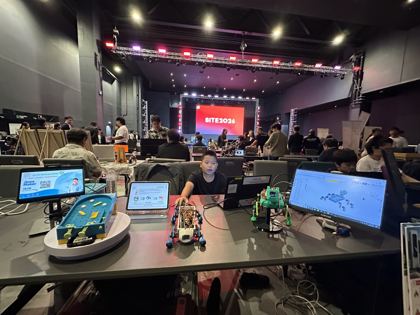
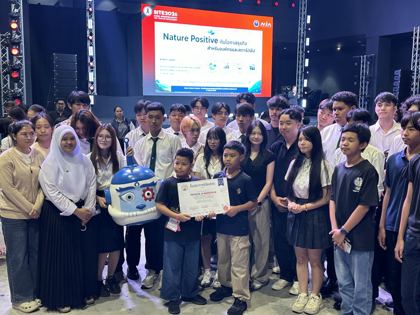
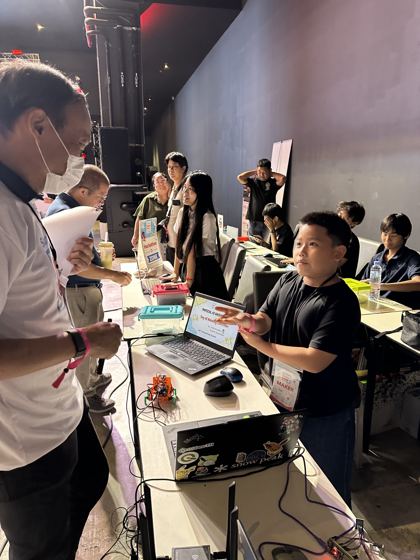
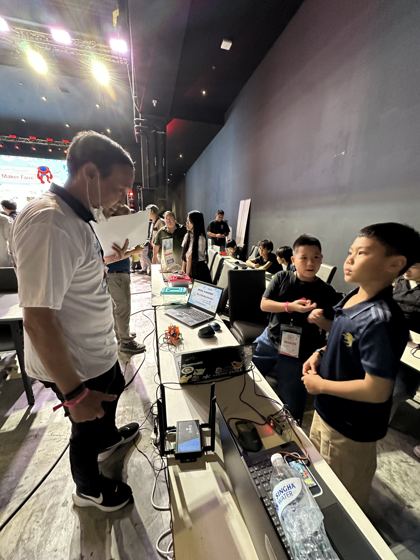
Small RoboDog — LLM-Controlled Robot Dog over Telegram
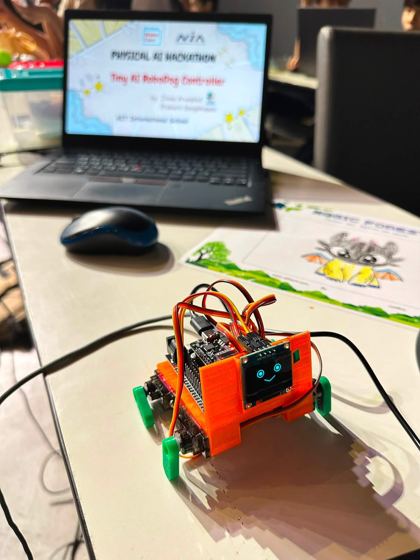
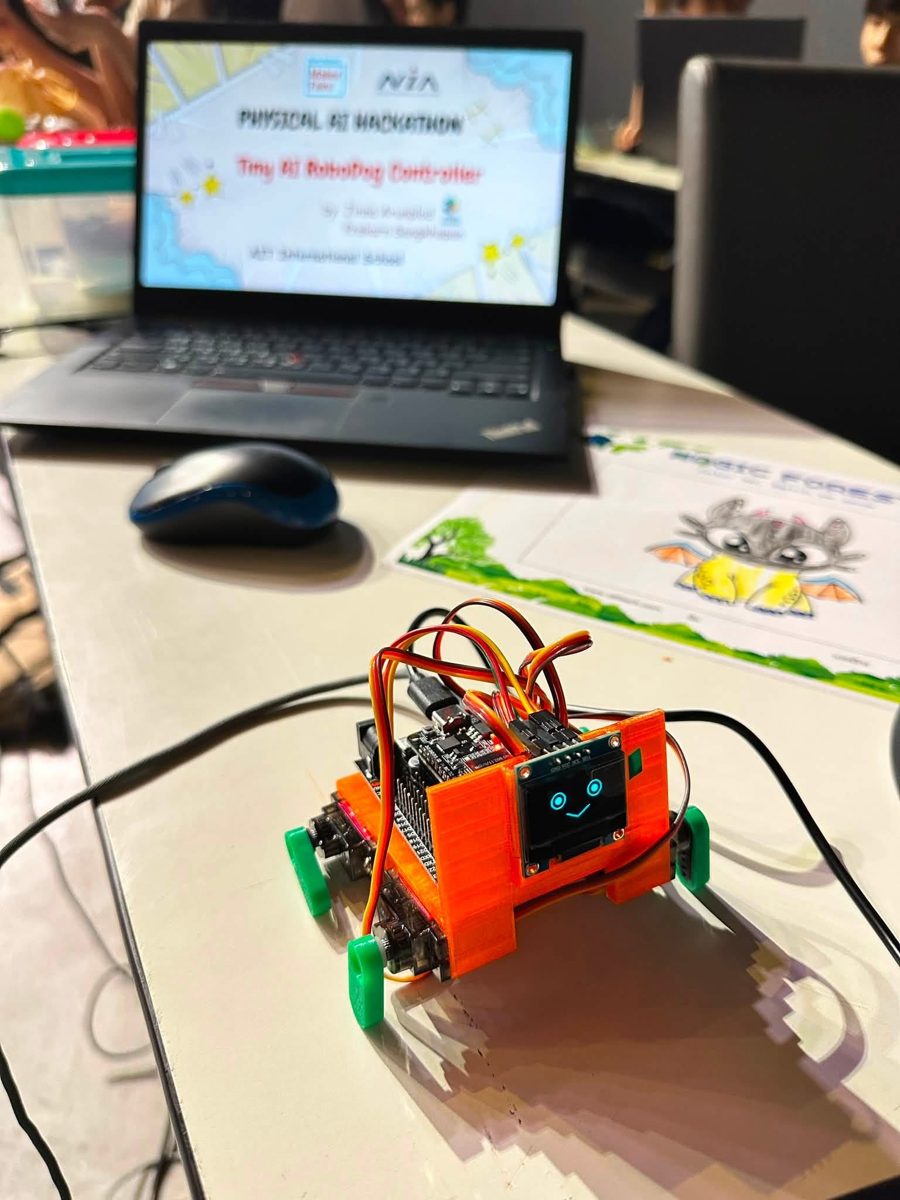
A compact robot dog you talk to in plain language on Telegram: a Python server sends the message to a language model, which picks one of seven physical actions and sends it to the robot over WiFi.
Small RoboDog — LLM-Controlled Robot Dog over Telegram
Summary
A smaller robot dog built for a makerthon, where the interesting part is the software rather than the mechanics. You send it a normal sentence on Telegram. A Python bridge passes that to a language model, but the model is not allowed to say anything it likes — it must choose from a fixed list of seven actions the robot can physically perform. That choice is turned into an HTTP request to the robot's ESP32-S3.
A pressure reading is polled from a second controller on a timer, so the robot can also respond to being pressed, with priority rules deciding which reaction wins.
Why the action list is fixed
Letting a language model drive hardware directly is unreliable. Restricting the output to a known set of actions with a priority order means an unexpected model response can never produce an undefined movement.
Skills used
Photos (25)